
The Real Reason Your Body Feels Tight After Sleeping
Overnight pressure builds in joints and fluids, but a smarter sleep setup could be the game changer you haven’t tried yet.

Overnight pressure builds in joints and fluids, but a smarter sleep setup could be the game changer you haven’t tried yet.

Sleep improves your nights and daytime clarity, but what happens next will push you to try one more step—curious to see how far you’ll go?

Because tiny shifts in REM, wake thresholds, and daily cues ripple into unpredictable nights, your sleep feels unstable—but the pattern is learnable, if you read on.

Falling sleep unfolds as your brain negotiates rhythms; follow the clues to learn what interrupts you and why rest still feels incomplete.

Better sleep support sharpens focus and calm, but the deeper benefits and surprises wait as you read on.

To understand why your sleep feels slightly off, consider how tiny timing tweaks and cues disrupt your rhythm and what to adjust next.

No midnight loyalty is sustainable; discover the boundary-soaked truth behind all-night support and what happens when dawn reveals the cost.
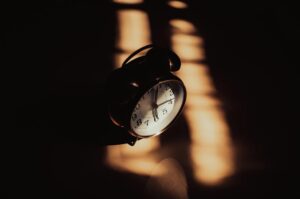
Aiming to fix your sleep alignment can realign your body clock and boost daytime mood, but what exactly happens next might surprise you.

Long nights aren’t just about hours; learn what truly disrupts sleep, but stay tuned to uncover the hidden culprit behind your restless wakeups.

Long-term stress subtly shifts light, deep, and REM sleep, hinting at why your rest feels less effective—and what to do next.